The Management Association of the Philippines (MAP) actively supports technology, promotes digital transformation and views technology as a critical driver of economic growth and national competitiveness, which is evident in its programs and themes.
So it was not surprising that a new technology, like video selfies to generate health assessments, was welcomed by MAP members when it was demonstrated at the July MAP general membership meeting.
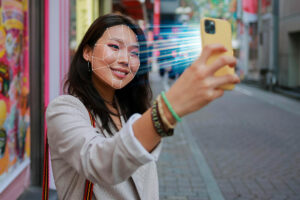
Facial scans and video selfies are used for health assessments by leveraging computer vision and artificial intelligence (AI) to analyze subtle physiological changes and visual cues from a person’s face. This technology, often referred to as remote photoplethysmography (rPPG), works by detecting miniscule color fluctuations in the skin that are caused by changes in blood volume as the heart pumps. A smartphone or laptop camera captures a video, and the AI algorithms process the data to provide health metrics.
There have been remote monitoring devices, like smartwatch or apps from Apple and Samsung for the last couple of years, that rely on proactive reporting and uploading of data or direct contact with the skin, but this video selfie technology can measure a variety of health markers just by scanning the face.
These health markers are heart rate and heart rate variability to analyze the subtle change in skin color and blood volume to determine the user’s pulse and the time between heartbeats; blood pressure to analyze blood flow patterns; respiratory rate to detect the minute movements of the face and chest that correspond to breathing; stress and emotional state to analyze changes in facial expressions and muscle tension and assess stress levels and emotional well-being; and skin and physical condition scans to identify malnutrition, dehydration, certain genetic disorders and skin conditions such as acne, redness and signs of aging. Soon, these video selfies will add features, like coughing, to the phone’s microphone to detect lung conditions.
This noninvasive approach has potential applications in remote patient monitoring, corporate wellness programs and even for insurance underwriting in some countries like the US, China, India, the UK, Japan and Australia. Information gathered from facial scans is often used to generate a personalized policy quote or to streamline the underwriting process, making it faster and less intrusive for customers, and potentially replacing or reducing the need for traditional medical exams and long questionnaires.
This technology may provide quick, accessible and noncontact health assessments, a convenient alternative to traditional methods that require specialized equipment or in-person visits, and a practical use for initial screening to enroll Filipinos to the government’s universal healthcare program. These initial assessments are to still be checked against the gold standard of screening approved by the Department of Health (DoH) and Food and Drug Administration (FDA).
But how reliable are these facial scans today? And more importantly, are there any regulatory and ethical considerations for their potential use? The accuracy of this technology or system in determining health risks is still a key concern since errors could lead to inaccurate risk assessments and unfair outcomes for customers. Data privacy is also a concern, especially in the Philippines where there are strict regulations on the collection and use of personal data.
Facial recognition technology has historically demonstrated biases, particularly in identifying nonwhite populations. And finally, the regulation of AI and facial recognition is still a work in progress in the Philippines and therefore may create a legal and ethical gray area for companies seeking to implement these technologies.
Video selfies and facial scans for primary care screening in the Philippines present an interesting opportunity to address healthcare access challenges. However, the technology’s accuracy and critical issues of data privacy, security and ethical accountability must be thoroughly addressed.
For this to be a good thing, strict regulation, proper implementation and public education must be in place as safeguards to outweigh the potential for harm, including misdiagnosis, data breaches and biased healthcare. Improved access to care, early detection and convenience and telemedicine integration are potential benefits, and enhanced efficiency by being able to streamline the administrative tasks and automating parts of the screening process could free healthcare professionals to focus on more complex cases, especially in a country with huge gaps in medical personnel.
Racquel R. Cagurangan is chairperson of the MAP Health Committee and managing director of CareTech Health.
racquel.cagurangan@caretech.asia